Egypt introduces unified framework to support startups
Egypt Drops $1B Plan For Startup Growth
MENA Signal • February 10, 2026
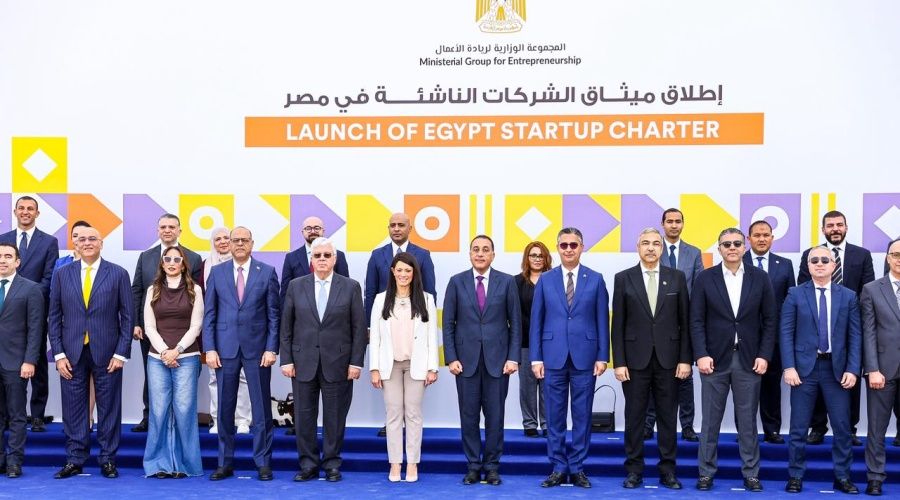
Egypt launched the "Egypt Startup Charter," its first government framework dedicated to startups. The plan mobilizes $1 billion over five years to support 5,000 companies and create 500,000 jobs. A unified guide consolidates permits, while a new scale-up program targets IPOs and unicorns.
Why MENA Founders Should Care
capital The government pledged $1 billion over five years through a unified financing initiative. This capital flows through government resources, guarantees, and co-investments with private sector funds. To access these incentives, you must secure an official startup classification certificate from SME authorities. The state is not writing checks directly to every founder. Instead, it is de-risking the market for VCs by providing guarantees. You need solid metrics and institutional-grade reporting to attract this capital. The policy focuses on maximizing the impact of available financing up to fourfold. If your startup isn't scalable or innovative by the new definition, you won't see a dime. This raises the bar for financial hygiene across the board.
consolidation Regulatory consolidation is the real competitive moat here. The charter introduces a "Unified Startup Guide" that consolidates all government services, permits, and licenses in one reference. This transparency eliminates the ambiguity that protected informal players. You now have a clear map for fees, documents, and issuance procedures. This makes compliance cheaper and faster for you, but harder for competitors cutting corners. The charter also facilitates tax procedures and eases liquidation processes. An Entrepreneurship Policy Observatory will monitor implementation to ensure you follow the rules. This pressure forces the market to mature. Startups that cannot operate within this formal, transparent framework will struggle to survive.
expansion The charter explicitly builds a pipeline for international expansion. A new scale-up program aims to help late-stage startups attract large investments and expand into new markets. The government wants to link pressing state challenges with your innovative solutions. This opens doors for government contracts that were previously inaccessible. If you are in fintech, health, or logistics, the state needs you to solve infrastructure gaps. The framework aims to accelerate access to international markets while developing local talent to reduce brain drain. If you can scale regionally, the government will support you with the necessary tools. This turns the state from a regulator into a client.
The Context
Egypt previously lacked a unified legal definition for startups, causing significant friction with regulators. While the private ecosystem grew through platforms like RiseUp Summit, government interaction remained fragmented across 15 different entities. This fragmentation slowed deals and deterred foreign investors worried about policy unpredictability. This new charter follows over a year of consultations with 250 ecosystem stakeholders. It formalizes the relationship between the state and the tech sector. The Prime Minister issued a decree in September 2024 to establish this framework. It attempts to shift the economy toward knowledge-based growth and reduce brain drain by developing local talent.
🌶️ Spicy Take
A government definition of a "startup" is often a trap, not a benefit. If the metrics are too rigid, innovation dies, and the money just fuels cronies.
What's Next
Watch for the release of the first batch of startup classification certificates. That will show if the bureaucracy actually moves faster than a venture capital term sheet.
Written for founders building in the Middle East and North Africa