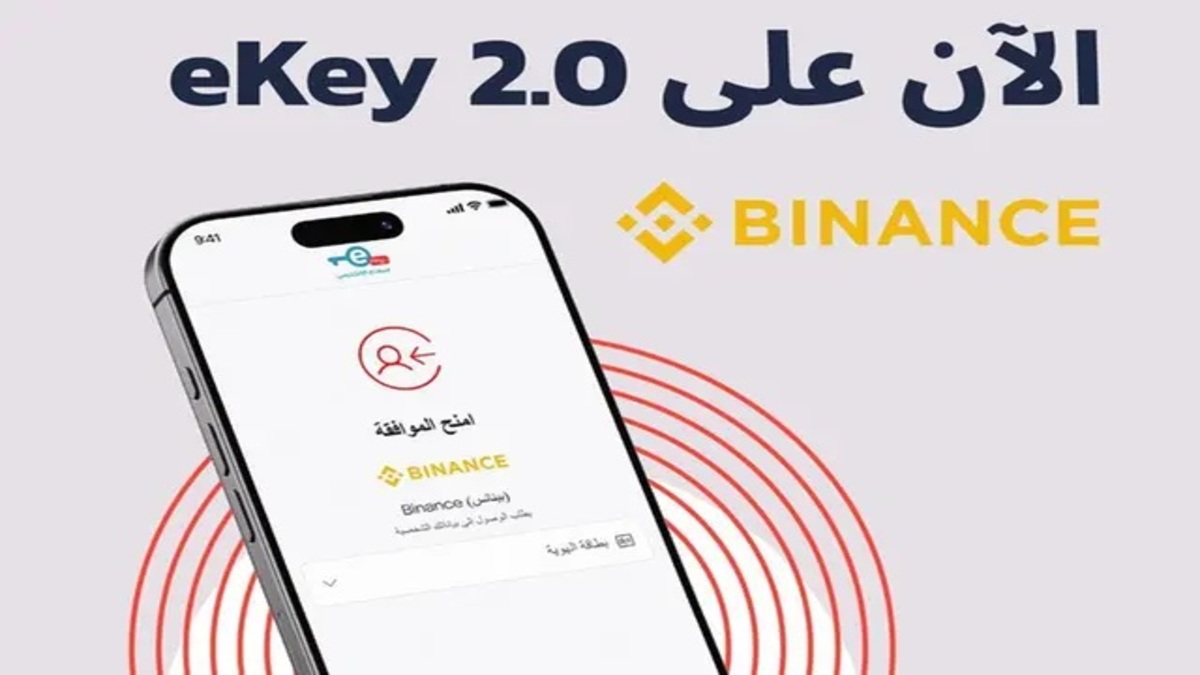
BINANCE and Beyon Connect sign strategic agreement for digital identity verification in Bahrain
Tamara Bags $150M to Dominate MENA Fintech
MENA Signal • March 30, 2026
Saudi Buy Now, Pay Later giant Tamara closed a $150 million extension to its Series B funding round. The investment was led by Sanabil Investments, a wholly-owned subsidiary of the Public Investment Fund, with participation from existing investor Shorooq Partners. This new capital pushes the company’s valuation higher and cements its status as a dominant regional fintech player. The funds are strictly earmarked for expanding operations into Egypt and launching new financial services products beyond just installment payments.
Why MENA Founders Should Care
Capital — The funding bar has officially moved in the Gulf. You can no longer raise on user growth or vague regional expansion plans alone. Investors like Sanabil are writing checks only to established players with proven revenue models and clear paths to profitability. If you are pre-revenue or burning cash just to acquire users without retention, you are in trouble. You need to show strong unit economics, high margins, and strict cost discipline to get a meeting today. The days of "growth at all costs" financing are effectively over. Capital is now a reward for performance, not potential.
Consolidation — Your competitors are about to run out of runway. When a market leader secures this much capital, it squeezes out smaller startups fighting for the same merchant partnerships. Smaller BNPL players will struggle to match Tamara’s low rates and heavy marketing spend. Expect to see distressed assets or forced acquisitions in the fintech sector over the next six months. The market is maturing, and the middle ground is vanishing. If you aren't the top two in your specific vertical, you need a survival plan immediately. The big are getting bigger, and the small are getting bought or buried.
Expansion — This opens a massive lane for B2B fintech infrastructure. While Tamara dominates consumer credit, merchants need better tools to manage that cash flow and data. There is a growing gap for backend financial infrastructure, automated accounting software, and revenue-based financing platforms tailored for SMEs. Founders should stop trying to build another consumer wallet and start building tools for the businesses accepting those payments. The infrastructure play is where the new value lies. Investors are hungry for B2B SaaS that powers the fintech ecosystem, rather than competing with its giants.
The Context
This extension follows Tamara's original $100 million Series B raised in 2021, which initially gave it unicorn status. The region has seen a sharp slowdown in mega-deals since 2022, making this specific round highly significant. It signals that sovereign wealth funds are still deploying capital, but only into strategic assets that align with national goals. The Saudi Central Bank recently introduced new regulations for BNPL providers, favoring larger, capitalized firms. This move aligns with the kingdom's broader financial strategy to become a global fintech hub under Vision 2030, reducing reliance on oil revenue.
🌶️ Spicy Take
Unicorns are the only companies getting funded in Riyadh right now. Everyone else is just noise.
What's Next
Watch for Tamara's official launch in Egypt within weeks. Expect smaller rivals to seek mergers or shut down.
Written for founders building in the Middle East and North Africa