AI hiring platform Qureos secures $5 million to scale across MENA
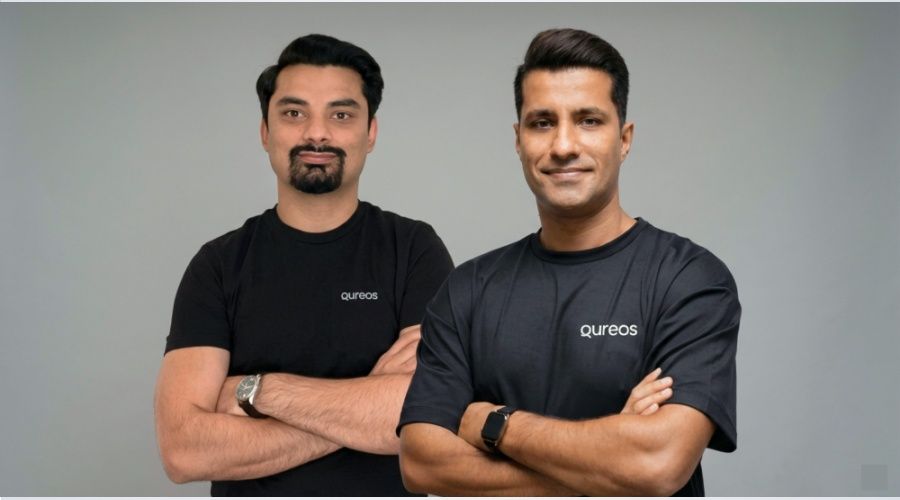
Prosus Leads $5M Seed for UAE HRtech Qureos
MENA Signal • February 5, 2026
UAE-based HRtech startup Qureos secured $5 million in a seed round led by Prosus Ventures and Salica Oryx Fund. The AI-driven hiring platform features an assistant named Iris that automates sourcing and screening for over 1,000 enterprises, including Qatar Airways. It compresses hiring timelines from months to just six days. The company will use the capital to enhance its AI capabilities and expand its go-to-market team through new enterprise and agency partnerships.
Why MENA Founders Should Care
Investors are raising the bar for seed-stage traction significantly in the MENA region. Qureos secured this $5 million round only after onboarding 1,000 enterprise clients and proving it can compress hiring timelines to just six days. The platform eliminates roughly 2,160 hours of recruiter work per year. This deal sets a new standard: concept-only pitches are effectively dead in this funding climate. You need hard operational metrics and clear revenue potential to attract top-tier firms like Prosus. You must demonstrate that your product solves a costly, immediate problem at scale before asking for this level of capital. The days of funding on vision alone are over; you need to show efficiency and real adoption numbers to survive.
The market will ruthlessly crush point solutions that fail to integrate into a broader workflow. Qureos succeeds by unifying sourcing, screening, and interviewing into one system through its AI assistant Iris, whereas many competitors rely on fragmented workflows across disconnected tools. If your startup solves only one small part of a larger operational process, you risk becoming obsolete as platforms like Qureos offer superior end-to-end efficiency. Founders must either build a comprehensive operating system or prepare to be acquired by one. The market no longer has patience for startups that increase friction by adding another tool to the stack. You either consolidate the market or get consolidated by it. Efficiency is the only metric that matters now.
A massive opportunity exists in backend integration for highly localized markets like the GCC. Qureos targets specific nationalization policies and seamlessly integrates with existing ATS systems rather than forcing enterprises to replace them. This compliance-first approach is a key growth driver. Founders should build infrastructure that plugs into legacy enterprise environments to accelerate adoption across slow-moving public and private sectors. B2B startups that respect regional compliance while delivering modern speed will dominate the next wave of enterprise adoption. Don't try to disrupt from the outside; instead, focus on embedding your tech into the existing regulatory framework to win government contracts. Companies that bridge the gap between legacy systems and AI will win.
The Context
Founded in 2020 by Alexander Epure and Usama Nini, Qureos previously closed a $3 million pre-seed round in 2022 led by COTU Ventures and Colle Capital. This new round features strong follow-on investments from COTU Ventures and Globivest, alongside fresh capital from regional players like Oraseya Capital and Plus VC. Notably, Daniel Tyre, an early HubSpot executive, participated, signaling a growing appetite from global tech veterans for MENA-based operational B2B solutions. The round combines local strategic money with global scaling capital. The progression from a niche pre-seed to a Prosus-led seed highlights a clear trend in investor confidence toward scalable infrastructure plays in the region. This is a validation that local problems can attract global capital if the solution is robust enough.
🌶️ Spicy Take
The resume is dead. Hiring is now a data problem, not a human judgment one.
What's Next
Watch for Qureos to aggressively acquire government contracts across the GCC as nationalization mandates tighten. Expect a rapid push into European markets within the next eighteen months.
Written for founders building in the Middle East and North Africa